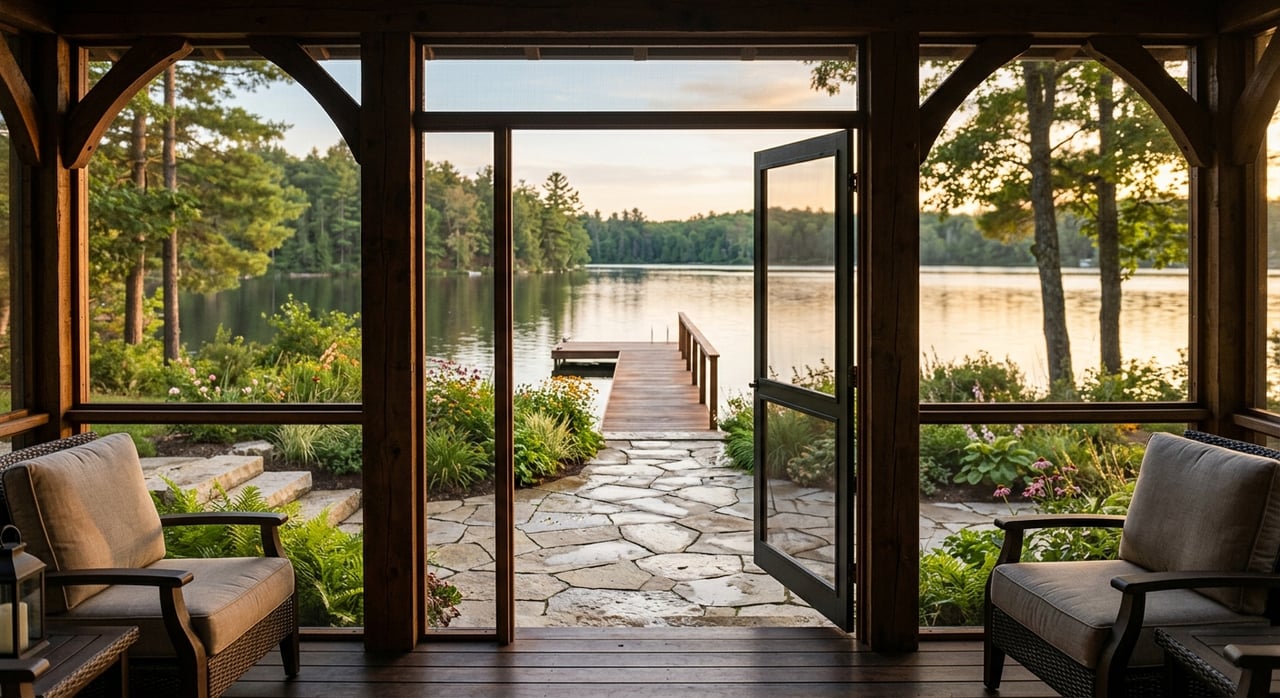
Dreaming about Lake Minnetonka often starts with the view, but real lake life is about much more than pretty water. If you are wondering what it is actually like to live on or near the lake, you are not alone. The good news is that understanding the day-to-day rhythm can help you decide whether this lifestyle fits your goals, budget, and routine. Let’s take a closer look.
Lake Minnetonka Is Not One-Size-Fits-All
Lake Minnetonka is the largest lake in the Twin Cities metro, with more than 14,000 acres and over 100 miles of shoreline. It is also a system of bays and basins, not one single uniform lakefront experience. That means living here can feel very different depending on which shoreline community you choose.
The lake is surrounded by 14 municipalities, and each brings its own setting and pace. Communities commonly associated with the Lake Minnetonka lifestyle include Wayzata, Excelsior, Orono, Deephaven, Shorewood, Minnetonka Beach, and Tonka Bay. For you as a buyer, that means the right fit is often less about the lake in general and more about which part of the lake matches how you want to live.
Wayzata Feels Connected and Walkable
Wayzata sits about 11 miles west of Minneapolis and is known for its downtown business district, residential neighborhoods, and small-town feel. Public improvements along Wayzata Bay, including the Panoway project and a 1,200-foot lakewalk, have strengthened the connection between downtown and the shoreline.
If you want a setting where lake views and daily convenience can work together, Wayzata may appeal to you. The feel is active, polished, and closely tied to both the water and downtown amenities.
Excelsior Feels Historic and Compact
Excelsior describes itself as a historic lake town and has a compact one-square-mile footprint. Its downtown includes shops, restaurants, a historic theater, and seasonal excursions on the restored Minnehaha steamboat.
For many buyers, Excelsior offers a strong sense of place. You get shoreline activity, public lake access, and a village-style downtown that stays relevant beyond summer weekends.
Orono Feels Residential and Lakeside
Orono’s official materials emphasize its north shore location, open space, and lakeside identity. It also highlights its small-town feel while remaining minutes from downtown Minneapolis.
If your priorities lean more toward privacy, space, and a quieter residential setting, Orono may be worth a closer look. It often appeals to buyers who want the lake lifestyle without needing a more pedestrian-focused downtown environment.
Daily Life on the Water Is Active
One of the biggest misconceptions about Lake Minnetonka is that it always feels quiet and tucked away. In reality, this is a heavily used public lake with year-round recreation and significant boat traffic, especially in peak season.
The Minnesota DNR notes that the lake sees heavy boating use and crowded ramps. That matters because your experience is shaped not only by your home, but also by how you plan to use the water. If boating is a major part of your vision, you will want to think through access, traffic, and seasonal patterns early in your search.
Boating Comes With Rules and Rhythm
On Lake Minnetonka, boating is part of the culture, but so is shared responsibility. In regulated areas within 600 feet of shoreline and in certain bays, watercraft must stay at minimum wake or below 5 mph.
That makes etiquette part of everyday life on the lake. If you picture jumping on the boat at any hour with no planning, the reality is more structured. The tradeoff is a better-managed environment for shoreline owners, swimmers, and other boaters.
Public Access Shapes the Experience
Lake Minnetonka is not a private resort environment. LMCD maps show a large network of public launches, beaches, parking areas, toilets, and other on-lake amenities.
This broad access is part of what makes the lake so vibrant. It also means that owning nearby or even on the water does not automatically equal total seclusion. For some buyers, that shared energy is a plus. For others, it is an important expectation to set upfront.
The Social Side of Lake Life Is Real
For many people, Lake Minnetonka living is as much about what happens around the shoreline as what happens on the water. Dining, public spaces, and seasonal events all play a role in the lifestyle.
Explore Minnesota highlights well-known stops like Gianni’s in Wayzata, Lord Fletcher’s in Spring Park, and The Caribbean Marina on Echo Bay. These places reflect the social side of the lake, where boating, dining, and gathering often overlap.
You Do Not Need a Boat to Enjoy It
A useful reality check is that lake living is not only for boat owners. Excelsior Commons and the Port of Excelsior include swimming beaches, docks, and docking for public excursion boats.
That means you can still enjoy the setting and many of its routines even if personal boating is not part of your plan. For some buyers, being near the lake can deliver the lifestyle value they want without the added cost or maintenance of direct frontage.
Lake Minnetonka Is a Four-Season Lifestyle
Summer may get most of the attention, but Lake Minnetonka is not just a warm-weather destination. Winter brings its own calendar of activity, including snowmobiling, ice fishing, ice skating, and local events.
Wayzata Bay even becomes home to the Chilly Open, a winter golf event played on the ice. That says a lot about the lake’s identity. It remains part of daily life and community culture even after boating season ends.
Winter Beauty Also Requires Caution
Winter recreation comes with a practical note. LMCD stresses that ice is never 100 percent safe, and the DNR does not measure ice thickness for official use.
If you are considering year-round lake living, this is part of the real picture. The lake stays active in winter, but safe use depends on conditions, judgment, and changing weather.
Waterfront Ownership Has Practical Demands
The dream of waking up to the water is real, but so are the responsibilities that come with it. Shoreline ownership is not just about enjoying the view from your living room.
Water levels, docks, shoreline maintenance, and lake stewardship all matter. LMCD notes that the watershed district manages water levels through Grays Bay Dam when feasible, and the DNR also warns that several unwanted exotic species are established in the lake.
Docks and Mooring Matter More Than Many Buyers Expect
Boat access can be a major convenience factor, but it is not always guaranteed. In Excelsior, the city’s residential mooring program covers docks, buoys, slides, and canoe or kayak racks, and the city says there are typically about five openings each year.
That limited availability is a good example of why details matter. If your lake-life vision depends on quick boat access, mooring and dock realities should be part of your strategy from the beginning.
Price Points Vary Widely
One of the clearest truths about Lake Minnetonka is that there is a major difference between living near the lake and owning direct waterfront on the lake. Current public listing snapshots show just how wide that gap can be.
In current Excelsior waterfront examples, asking prices range from about $1.995 million for land and $2.275 million for a condo to $4.699 million for new construction and up to $22 million for larger estate properties. In current Minnetonka waterfront examples, listings range from around $1.1 million to nearly $5.9 million.
By comparison, the broader Minnetonka market shows a median listing home price around $475,000. These are not sold-price medians, but they do show the premium attached to direct frontage.
Inventory Can Be Limited
Waterfront supply also tends to be tight. The current public listing snapshots referenced in the research show 18 waterfront homes in the Minnetonka search and 39 in the Excelsior waterfront search.
For you, that means timing and preparation matter. If you are targeting true waterfront, it helps to be clear on your must-haves, your tradeoffs, and your price range before the right opportunity appears.
What Type of Buyer Fits Best Here?
Lake Minnetonka can work for different kinds of buyers, but not always in the same way. The best fit usually comes down to how you want to spend your time and what level of access, privacy, and maintenance feels right.
Year-Round Residents
If you want the lake as part of your daily life, communities like Wayzata, Excelsior, and Orono each offer a different version of that experience. Some buyers prioritize access to downtown amenities, while others prefer a more residential setting with open space and a quieter shoreline feel.
Lifestyle-Driven Buyers
If your vision centers on boating, dockside dining, and seasonal events, Lake Minnetonka can deliver that in a big way. At the same time, the lake’s popularity means more traffic, more planning, and a greater need to understand access rules.
Luxury Buyers Comparing Micro-Markets
If you are shopping at the higher end of the market, treating Lake Minnetonka as one single area can lead to the wrong decision. Wayzata, Excelsior, and Orono offer very different blends of walkability, privacy, and shoreline character.
That is why a clarity-first approach matters. The right property is not only about views or square footage. It is also about how the location supports the lifestyle you want most.
What Lake Life Really Means
The best way to think about Lake Minnetonka is this: it is a premium waterfront lifestyle made up of several distinct sub-markets and daily routines. You are not just buying scenery. You are buying into access patterns, seasonal changes, local rules, shoreline responsibilities, and a specific community feel.
If that sounds like a lot, it is. But it is also why buyers who do their homework tend to make better long-term decisions here. When you understand the tradeoffs clearly, you can choose a lake lifestyle that truly fits how you want to live.
If you are thinking about buying or selling around Lake Minnetonka, Tonia Kurth can help you compare locations, clarify your options, and build a strategy around the lifestyle you actually want.
FAQs
What is Lake Minnetonka like for full-time living?
- Lake Minnetonka offers a year-round lifestyle with boating, dining, public lake access, winter recreation, and several distinct shoreline communities that each feel a little different.
What should buyers know about boating on Lake Minnetonka?
- Buyers should know the lake is heavily used, boat traffic can be busy in peak season, and LMCD rules require minimum wake or speeds below 5 mph in certain regulated areas.
What communities are commonly associated with Lake Minnetonka living?
- Commonly recognized Lake Minnetonka communities include Wayzata, Excelsior, Orono, Deephaven, Shorewood, Minnetonka Beach, and Tonka Bay.
What is the difference between living near Lake Minnetonka and on Lake Minnetonka?
- Living near the lake can provide access to views, dining, beaches, and community amenities, while direct waterfront ownership typically comes with a much higher price point and more maintenance responsibilities.
What should buyers know about Lake Minnetonka waterfront prices?
- Current public listing snapshots show waterfront options ranging from roughly $1.1 million to more than $20 million, depending on location, property type, and frontage.
What practical issues matter with Lake Minnetonka waterfront homes?
- Important considerations include dock or mooring access, water levels, shoreline maintenance, boating rules, and the realities of owning property on a heavily used public lake.