Looking for a suburb that gives you more than just a quiet street and a short drive home? Eden Prairie stands out because it offers several different ways to live, from amenity-rich planned communities to convenience-focused areas near shopping, major roads, and future rail stations. If you are considering a move here, understanding how neighborhoods, commutes, and everyday lifestyle fit together can help you make a smarter decision. Let’s dive in.
Why Eden Prairie Appeals to So Many Buyers
Eden Prairie is a mature suburb about 12 miles southwest of Minneapolis with 62,905 residents and more than 2,800 businesses. It has a strong ownership profile, with a 75.6% owner-occupied housing rate, which speaks to its long-term residential appeal. For many buyers, that mix of stability, access, and variety is a big part of the draw.
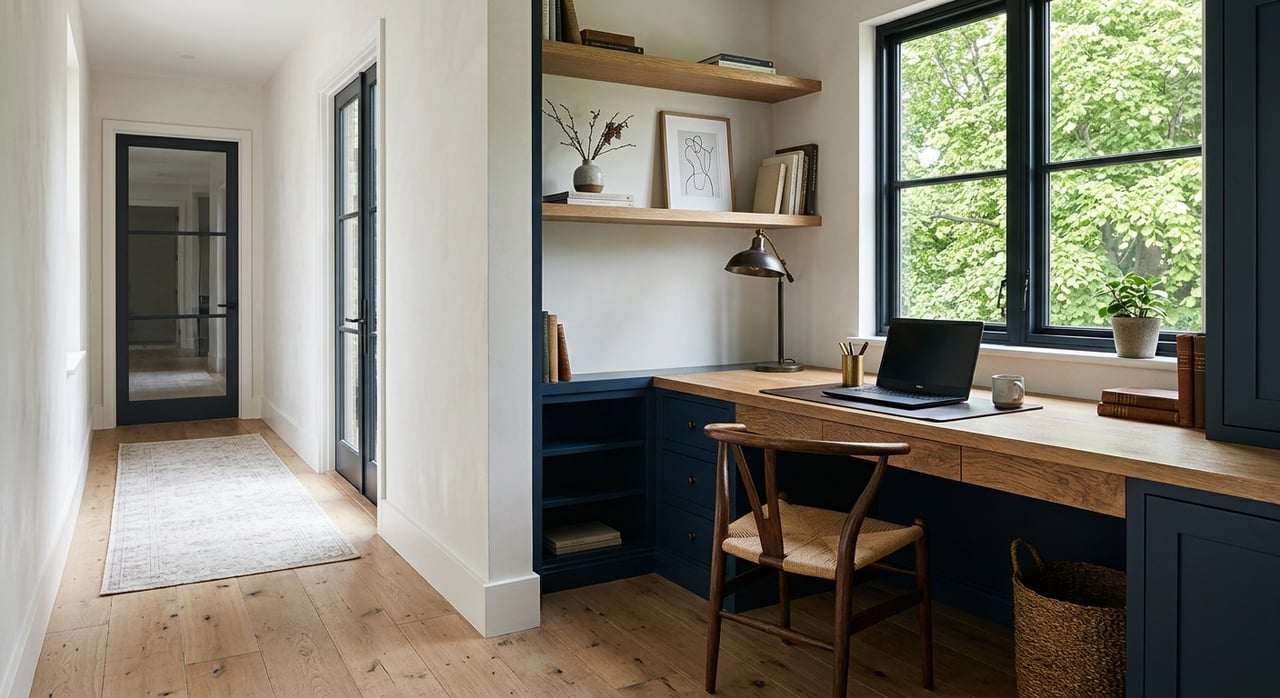
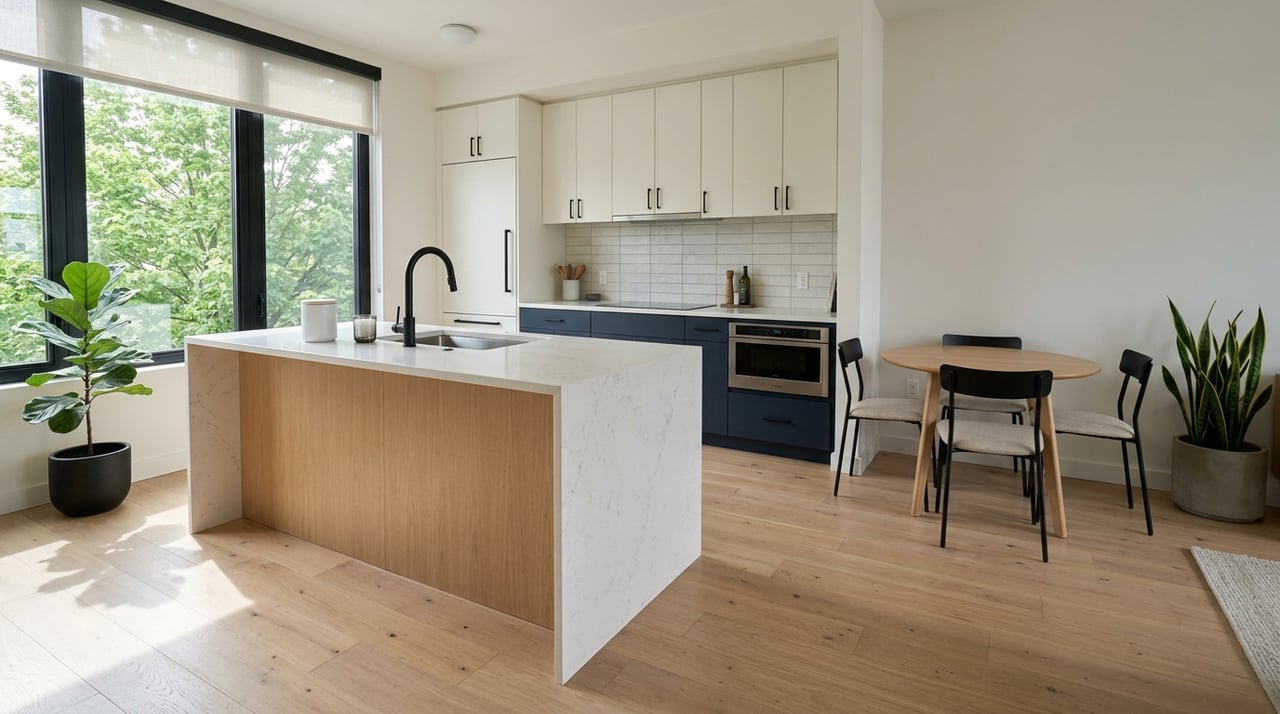
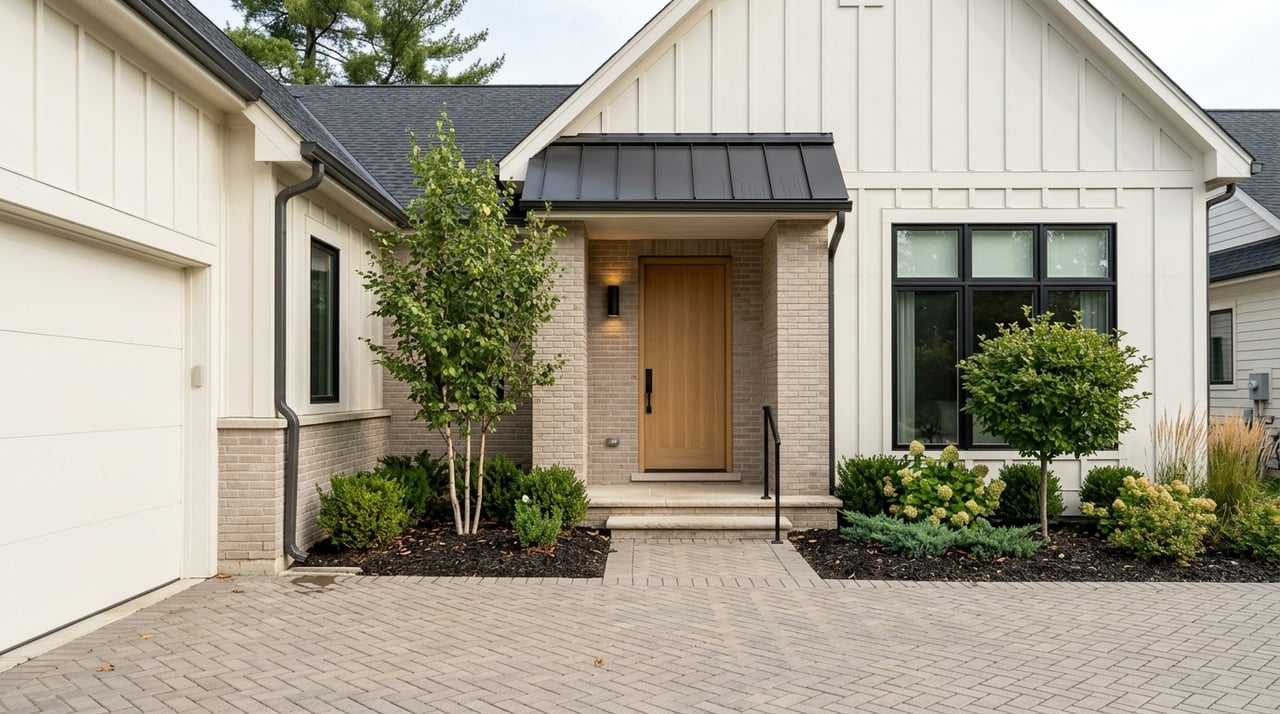
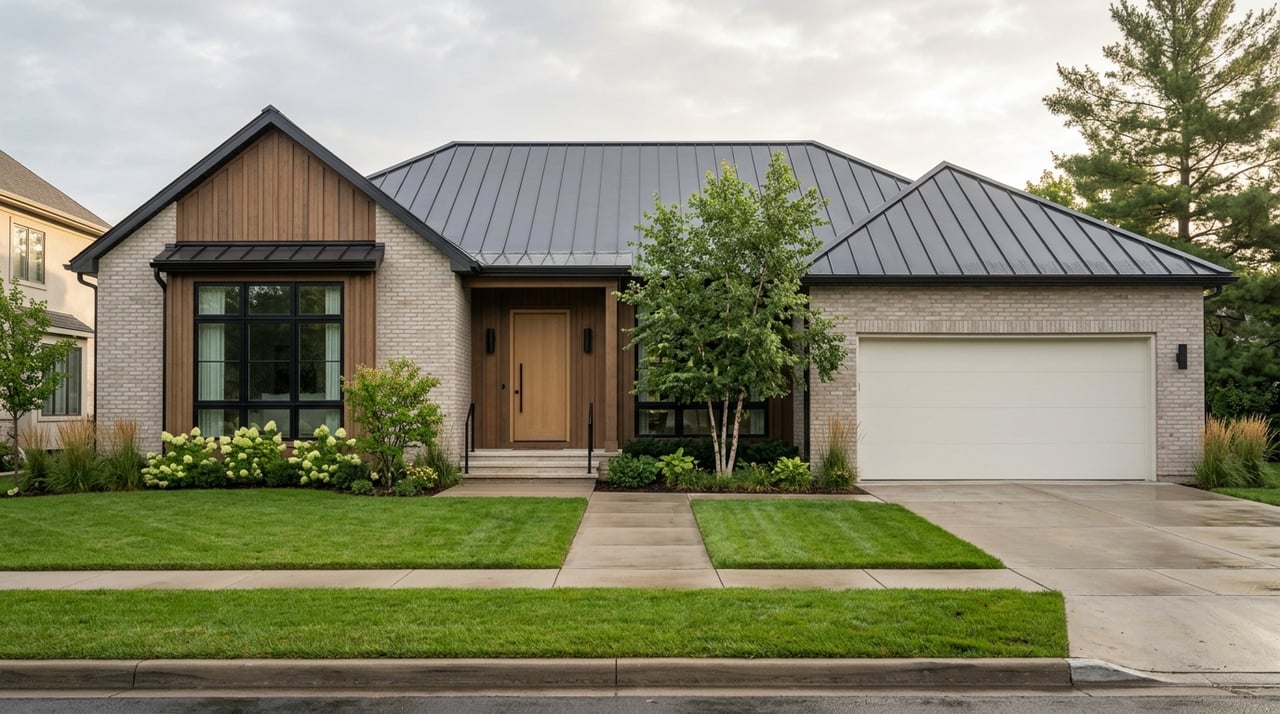
It also does not feel like a one-note suburb. The housing mix includes single-family homes, townhomes, condos, co-ops, duplexes, and zero-lot-line properties. That means you can often align your housing choice with the kind of daily routine, maintenance level, and setting you want.
Eden Prairie Neighborhood Personalities
Rather than thinking of Eden Prairie as one uniform market, it helps to think about it in terms of neighborhood personalities. Some areas are driven by amenities and community features, while others are more about privacy, luxury, or convenience.
That distinction matters when you are house hunting. In Eden Prairie, your lifestyle fit may matter just as much as square footage or price point.
The Preserve: Amenity-Rich Living
The Preserve is one of Eden Prairie’s clearest examples of a planned community built around lifestyle. According to a local 2022 profile, it includes nearly 1,700 homes, with a mix of single-family homes, apartments, townhomes, and condominiums. That range gives buyers multiple housing formats within one established area.
The neighborhood is especially known for its shared amenities. Trails, tennis courts, a community center, and a sand-bottom pool help make this area appealing if you want recreation and neighborhood features close to home. If you like the idea of choosing a home and a built-in lifestyle at the same time, The Preserve is a strong reference point.
Bearpath: Luxury and Golf Lifestyle
Bearpath is the city’s most recognizable luxury reference point. It is a gated community centered around a Jack Nicklaus Signature golf course and a clubhouse and recreation complex. For buyers looking at upper-tier housing, it represents Eden Prairie’s more private and amenity-driven side.
This is the kind of setting where lifestyle can play a major role in the home search. If privacy, golf access, and a more elevated community environment are high on your list, Bearpath helps define what that segment of the market can look like in Eden Prairie.
City Center and Transit-Core Areas
If your top priorities are convenience and daily efficiency, the area around Eden Prairie Center, City Center, and the future Southwest LRT stations deserves attention. This corridor functions as the city’s retail and transit core, with Eden Prairie Center alone drawing more than 6 million shoppers annually. It is one of the easiest parts of the city to frame around errands, shopping, and access.
The Green Line Extension is expected to add four Eden Prairie stations in 2027: SouthWest, Eden Prairie Town Center, Golden Triangle, and City West. For buyers who want to think ahead about commuting options and connectivity, this area may become even more appealing over time.
Housing Options and Price Expectations
Eden Prairie offers a broad suburban housing mix, but single-family homes still dominate. Hennepin County’s 2026 assessment report shows 21,341 residential parcels in the city, including 13,484 single-family parcels, 4,897 townhome parcels, and 1,186 condo parcels. That helps explain why the city feels suburban first, while still offering lower-maintenance options.
In practical terms, lower to lower-mid budgets often align with condos, co-ops, townhomes, and similar attached housing. Mid-range budgets often open the door to detached suburban homes. Higher budgets tend to reach larger homes, more private settings, or communities where amenities and lifestyle features play a larger role.
It is also important not to rely on one price number to define the market. The Census Bureau reports a median owner-occupied home value of $463,300, while Zillow places the average home value at $505,908 and Redfin reported a March 2026 median sale price of $438,000. Those numbers are useful, but together they show why strategy matters more than one headline figure.
What Commutes Look Like in Eden Prairie
Eden Prairie is still a road-first city, and that is one reason many residents find it practical for metro-area commuting. I-494 and Highways 212, 62, 169, and 5 converge in the heart of the city, giving you several ways to move around the region. The Census Bureau reports a mean travel time to work of 22.0 minutes.
That said, easy access does not mean traffic-free driving. Like most well-connected suburbs, traffic pressure tends to build near major corridors and key commercial areas. If commute predictability matters to you, it is worth looking closely at how a specific neighborhood connects to your most frequent destinations.
Transit Options Are Expanding
Transit plays a growing role in Eden Prairie’s transportation story. The Green Line Extension will connect downtown Minneapolis to Eden Prairie through St. Louis Park, Hopkins, and Minnetonka, with four local stations planned in the city. Service is projected to begin in 2027.
SouthWest Transit also adds another useful option. The agency says Route 686 provides a direct connection from SouthWest Station to MSP International Airport terminals 1 and 2. If airport access is part of your routine, that route may be a meaningful convenience.
Employment and Daily Practicality
Eden Prairie’s appeal is not just residential. Major employers and commercial anchors include C.H. Robinson, Optum, Starkey, and Eden Prairie Center, all supported by the city’s broader base of more than 2,800 businesses. That depth helps reinforce the city’s live-work convenience.
The city is also home to Flying Cloud Airport, which provides access for personal and corporate aircraft. For some buyers, that may not matter at all. For others, especially those with frequent business travel needs, it can be another practical advantage.
Outdoor Lifestyle Is a Major Advantage
One of Eden Prairie’s strongest differentiators is its park and trail system. The city reports more than 1,000 acres of developed parkland, 225-plus miles of sidewalks and trails, 37 parks, five special use facilities, seven historic sites, and 15 conservation areas. It also includes more than 4,500 acres of open-space wetlands, 17 lakes, and more than 100 ponds.
That scale changes daily life in a meaningful way. You are not just buying a home in a suburb. You are choosing a place where outdoor access is built into the rhythm of the community.
Trails, Lakes, and Recreation
Eden Prairie offers loop trails at Lake Smetana, Mitchell Marsh, Purgatory Creek, Round Lake, Staring Lake, and Rice Marsh Lake. The city also highlights 16 miles of nature trails in places such as Cardinal Creek, Edenbrook, Richard T. Anderson, and Riley Creek. For many buyers, that trail variety adds real value to day-to-day living.
The Minnesota River Bluffs Regional Trail is another standout. This 6.8-mile crushed-limestone route cuts diagonally through Eden Prairie and adds to the city’s broader network of outdoor spaces. If you want suburban convenience without giving up access to nature, that combination is hard to ignore.
The recreation mix is broad as well. Bryant Lake Regional Park, off-leash dog areas, an archery range, skating rinks, sledding hills, ski trails, disc golf, a swimming beach, fishing piers, and natural springs all contribute to the city’s lifestyle appeal. In simple terms, Eden Prairie rewards buyers who want suburbs plus outdoor access, not just suburban convenience.
How to Think About Your Best Fit
If you are weighing a move to Eden Prairie, the clearest way to narrow your search is to focus on your daily priorities. Do you want low-maintenance living and convenience near shopping and future transit? Are you drawn to an amenity-rich planned community? Or are you looking for a more private, luxury-driven setting?
A smart home search here starts with clarity. In a market with multiple neighborhood personalities and a wide range of housing types, the best choice is usually the one that supports how you actually want to live, commute, and spend your time.
If you are considering a move to Eden Prairie and want help sorting through neighborhoods, pricing, and strategy, Tonia Kurth can help you create a clear plan and move forward with confidence.
FAQs
What is daily life like in Eden Prairie, Minnesota?
- Eden Prairie offers a suburban setting with strong everyday convenience, a wide housing mix, major shopping and business hubs, and extensive outdoor access through parks, trails, lakes, and recreation areas.
What types of neighborhoods are in Eden Prairie?
- Eden Prairie includes amenity-rich planned communities like The Preserve, luxury lifestyle settings like Bearpath, and convenience-focused areas around Eden Prairie Center, City Center, and the future Green Line Extension stations.
What is the commute like from Eden Prairie?
- Eden Prairie is road-first, with access to I-494 and Highways 212, 62, 169, and 5, and the Census Bureau reports a mean commute time of 22.0 minutes.
Are there transit options in Eden Prairie?
- Yes. SouthWest Transit provides current service, including Route 686 to MSP International Airport, and the Green Line Extension is projected to bring four Eden Prairie stations with service expected to begin in 2027.
What kinds of homes can you find in Eden Prairie?
- The city has a suburban-first housing profile with many single-family homes, along with townhomes, condos, co-ops, duplexes, and other attached housing options.
Is Eden Prairie a good fit if you want outdoor access?
- Eden Prairie is a strong option if outdoor access matters to you, with more than 1,000 acres of developed parkland, 225-plus miles of sidewalks and trails, 37 parks, 17 lakes, and more than 100 ponds.