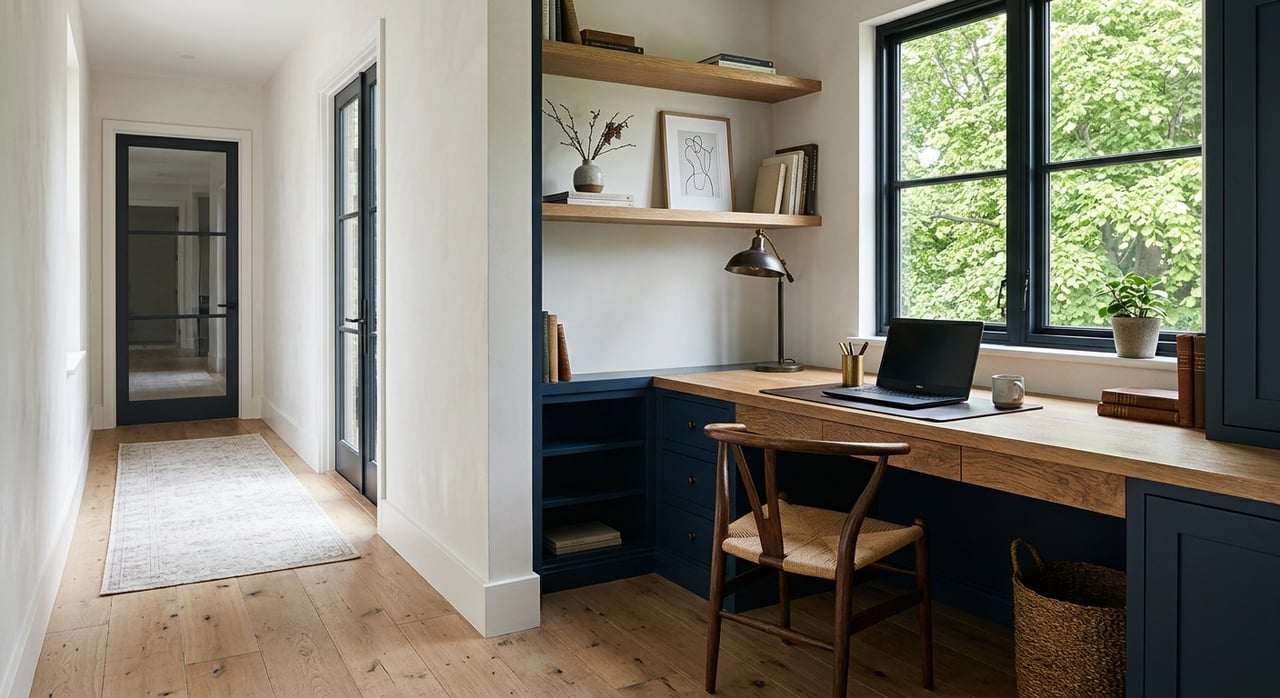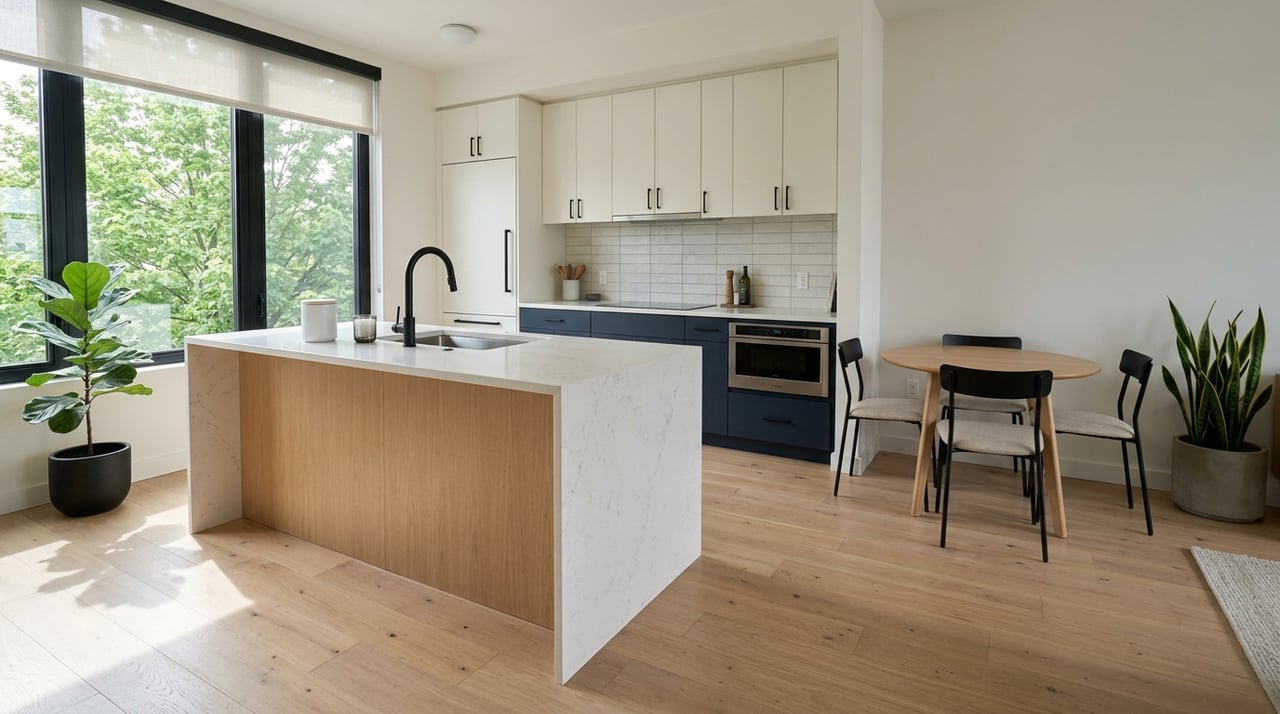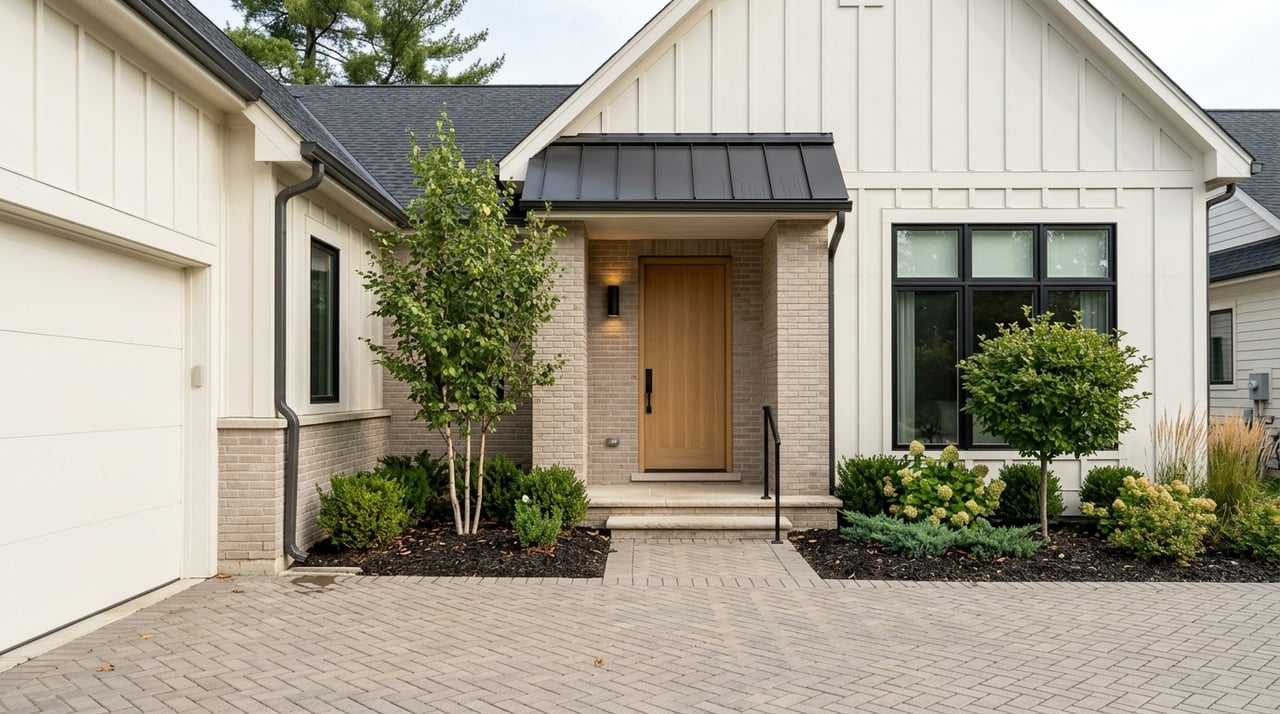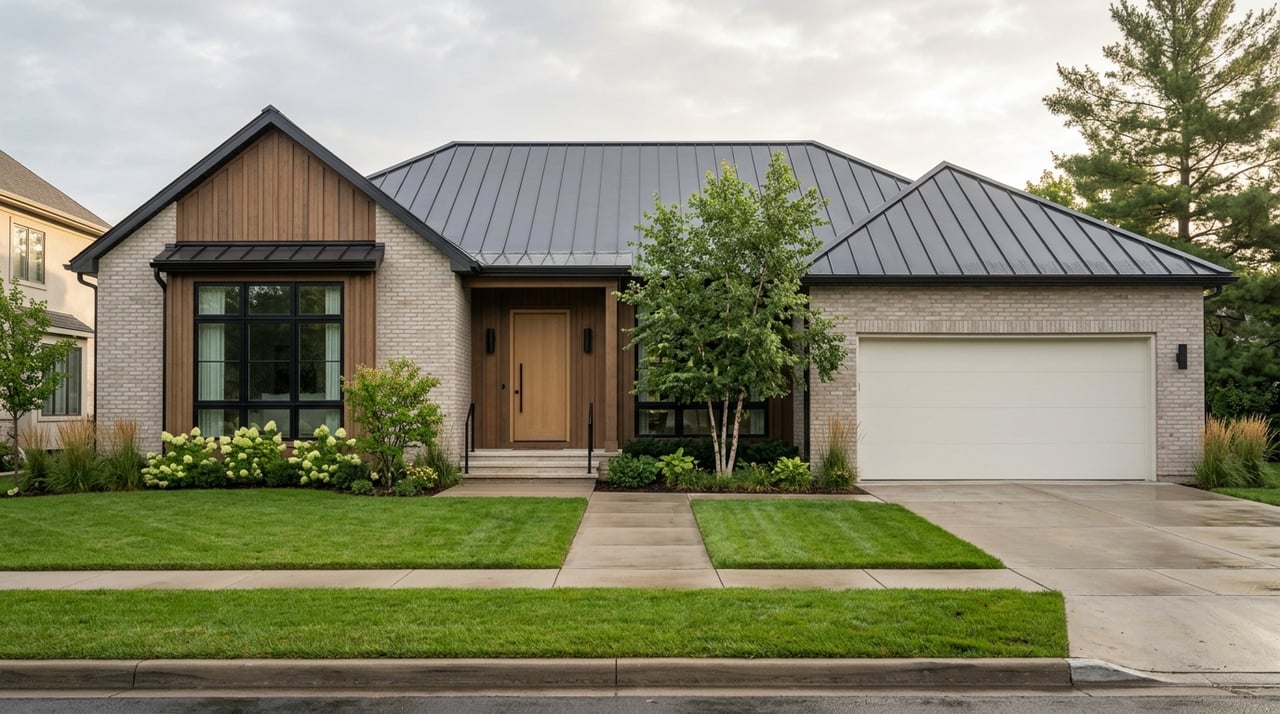
Selling in Edina can look easy from the outside, but the homes that create the strongest response are usually the ones that feel prepared from day one. If you are planning to list in the next 6 to 12 months, the goal is not to over-improve your home or spend blindly. It is to remove buyer objections, support your price, and launch with confidence. Let’s dive in.
Why prep still matters in Edina
Edina remains a strong market, but buyers are still paying close attention to condition and presentation. Realtor.com’s March 2026 data shows 263 homes for sale, a median list price of $699.9K, a 99% sale-to-list ratio, and a median 36 days on market. The city is characterized as a seller’s market, which is good news for homeowners who prepare well.
At the same time, strong markets are not the same as careless markets. Minnesota Realtors reported that in the Twin Cities metro, offers were accepted at 96.8% of list price on average in January 2026, while some homes moved quickly and others sat longer or needed price reductions. That means your first-week launch still matters.
For most Edina sellers, the smartest plan is simple: reduce friction, present well, and price realistically. That creates a cleaner showing experience and often puts you in a better position once offers start coming in.
Start with disclosures and records
Before you spend money on updates, get clear on what you already know about the property. Minnesota law requires sellers to make a written disclosure of material facts that could adversely and significantly affect a buyer’s ordinary use or intended use of the property. That disclosure must be made in good faith and to the best of your knowledge.
If you know about radon concentrations, that information also needs to be disclosed along with the required Minnesota Department of Health information. This is one reason early preparation matters. You want a full picture of the home before you decide what to repair, what to document, and how to position the property.
A practical seller folder can make this much easier. Gather items like:
- Prior inspection reports
- Contractor invoices and repair receipts
- Permit approvals and final sign-offs
- Appliance warranties
- Radon test results or mitigation records
- Documentation for any remediation work
This kind of organization is not just about paperwork. It helps you disclose accurately, answer buyer questions faster, and keep negotiations from getting messy later.
Check permit issues early
If your to-do list includes anything beyond cosmetic work, confirm permit requirements before the project begins. According to the City of Edina, permits may be required for work involving construction, roofing, siding, windows, finishing unfinished space, plumbing, mechanical, electrical, sewer and water, and grading. The city also states that work should not begin without a permit.
This is especially important if you are wrapping up projects before listing. Missing permits or incomplete sign-offs can slow down your timeline, create disclosure questions, and give buyers another point to negotiate.
If you are unsure whether a past project was properly permitted, it is worth checking early. Solving that issue before your home hits the market is usually easier than explaining it during escrow.
Consider a pre-listing inspection
A pre-listing inspection is not required, but it can be a smart move for some sellers. This can be especially helpful if your home is older or if you want fewer surprises once a buyer does their own inspection.
The value is clarity. A seller-ordered inspection can uncover hidden issues before the home goes live, giving you time to repair them, document them, or price around them.
There is a tradeoff, though. Once you know about a problem, disclosure obligations can follow. For that reason, a pre-listing inspection makes the most sense when you want to control the process and make strategic decisions upfront rather than react later under pressure.
Fix condition before style
If you are deciding where to spend money, start with defects and deferred maintenance before you think about design upgrades. Research cited in the 2025 Remodeling Impact Report shows that 46% of buyers are less willing to compromise on the condition of a home.
That finding lines up with what sellers are seeing across active markets. Buyers may accept a home that is not fully updated to their taste, but they are often less comfortable with obvious maintenance issues, unresolved leaks, roof concerns, or worn surfaces that suggest bigger problems.
The strongest pre-listing improvements are usually the ones that:
- Remove obvious objections
- Improve first impressions
- Reduce inspection friction
- Support a cleaner pricing story
In many cases, that means handling repairs before considering larger optional remodels.
Focus on broad-appeal updates
Once condition issues are addressed, move to updates that make the home feel clean, bright, and easy to picture. Research from NAR points to a consistent pattern: buyers respond well to homes that feel neutral, well-maintained, and move-in ready rather than highly personalized.
The most defensible seller-prep items often include:
- Fresh interior paint
- Light fixture updates
- Flooring touch-ups
- Hardware replacements
- Deep cleaning
- Landscaping and curb appeal improvements
These updates tend to help more buyers connect with the home. They can also improve how your property shows in photos, which is critical because many buyers form their first impression online.
Be careful with major remodels
A full kitchen gut, major bath overhaul, or high-end finish package is not always the best use of money before listing. In Edina’s current market, sellers are generally rewarded more for strong condition and realistic pricing than for automatically rebuilding perfectly functional spaces.
That does not mean larger updates are never worth it. It means they should be tied to a clear need, such as solving a real defect or helping the home compete with nearby comparables that set a higher standard.
If a project is mostly about personal taste, likely to divide opinion, or unlikely to change a buyer’s decision, it is often smarter to leave that choice to the next owner. Preparation should protect value, not create unnecessary risk.
Plan for radon and lead-based paint rules
Minnesota sellers should pay close attention to radon disclosures. The Minnesota Department of Health states that testing and mitigation are not required during a real estate transaction, but sellers must disclose any knowledge of radon concentrations and provide test results and mitigation records if they exist. The required MDH publication must also be included.
MDH recommends testing well before listing so there is time to address elevated results if needed. If mitigation has already been completed, that documentation can help show buyers the issue was handled.
If your home was built before 1978, federal lead-based paint disclosure rules also apply. Sellers must disclose known information about lead-based paint and lead-based paint hazards and provide the required lead-hazard pamphlet before the contract is signed.
Stage before photos, not after
Staging is not just for luxury listings or vacant homes. It is part of how you help buyers understand the space quickly. According to NAR’s 2025 Profile of Home Staging, 83% of buyers’ agents said staging made it easier for buyers to visualize a property as a future home.
That same report found that 29% of agents saw a 1% to 10% increase in offered value from staging, while 49% of sellers’ agents observed faster sales. The rooms identified as most important to stage were the living room, primary bedroom, and kitchen.
Equally important, your home should be fully decluttered and staged before photography. NAR reported that buyers’ agents rated listing photos as important in 73% of cases, with video and virtual tours also playing a meaningful role. In other words, presentation is part of marketing strategy, not a finishing touch.
Build a strong first-week launch
In a market like Edina, your first week on the market often shapes the rest of your outcome. A polished launch can create urgency, stronger traffic, and better negotiating leverage. A sloppy launch can lead to avoidable questions, slow early activity, and price pressure.
Your first-week checklist should include:
- Completed repairs and touch-ups
- Full cleaning and decluttering
- Staging or strategic furniture placement
- Professional photography after prep is complete
- Organized disclosures and records
- A pricing strategy tied to current comparable listings and sales
This part matters because buyers compare your home quickly. If yours feels move-in ready and well-positioned, it has a better chance of standing out in the first few days when interest is often highest.
Use preparation to strengthen negotiations
Preparation does more than improve appearance. It also gives you more control once offers come in. Edina’s 99% sale-to-list ratio suggests sellers are still holding pricing power, but Minnesota Realtors also notes that some homes can receive multiple offers while others need discounts.
The difference often comes down to how clearly the home is positioned. When buyers see strong presentation, realistic pricing, and organized documentation, they have fewer reasons to hesitate and fewer openings to push hard on terms.
A pre-listing inspection can help here too. If you already know the home’s condition story, you can choose whether to repair an issue, offer a credit, or price around it before the property is live. That gives you a more deliberate negotiation posture instead of reacting under deadline.
A smart Edina seller checklist
If you are preparing to sell within the next year, this sequence is a practical place to start:
- Review known issues and disclosure needs
- Gather records, invoices, permits, and warranties
- Check whether any planned work requires a City of Edina permit
- Consider a pre-listing inspection for added clarity
- Fix high-friction condition problems first
- Make broad-appeal cosmetic updates second
- Test or organize radon documentation if applicable
- Prepare lead-based paint disclosures if the home was built before 1978
- Declutter, clean, and stage key rooms
- Complete photography and launch with a pricing strategy based on current comps
This approach keeps your budget focused on what matters most. It also supports the bigger goal, which is making your home easier for buyers to say yes to.
If you want a calm, strategic plan for your Edina sale, Tonia Kurth can help you map the right prep, pricing, and launch strategy for your home.
FAQs
What should Edina sellers fix before listing a home?
- Edina sellers should usually fix condition issues before making style updates, especially items that create buyer objections or inspection concerns, such as visible maintenance problems, worn finishes, or unresolved repair items.
Do Edina homeowners need permits for pre-listing home improvements?
- The City of Edina says permits may be required for projects such as roofing, siding, windows, plumbing, mechanical, electrical, finishing unfinished space, sewer or water work, and grading, so it is smart to check before starting any non-cosmetic work.
Should Edina sellers get a pre-listing inspection before going on the market?
- A pre-listing inspection can help uncover issues early and reduce surprises during the buyer’s inspection, but once you know about a problem, disclosure obligations may follow.
What radon disclosures apply when selling a home in Minnesota?
- Minnesota sellers must disclose any knowledge of radon concentrations, provide test results and mitigation records if they exist, and include the required Minnesota Department of Health information.
Does staging really help homes sell in Edina?
- Research from NAR found that staging helps buyers visualize a property more easily, and many agents reported that staging either improved offered value or helped homes sell faster.
How important is pricing after home prep in Edina?
- Pricing is still critical because even in a seller’s market, some homes move quickly while others linger or need reductions, so preparation works best when it is paired with realistic pricing based on current comparable properties.