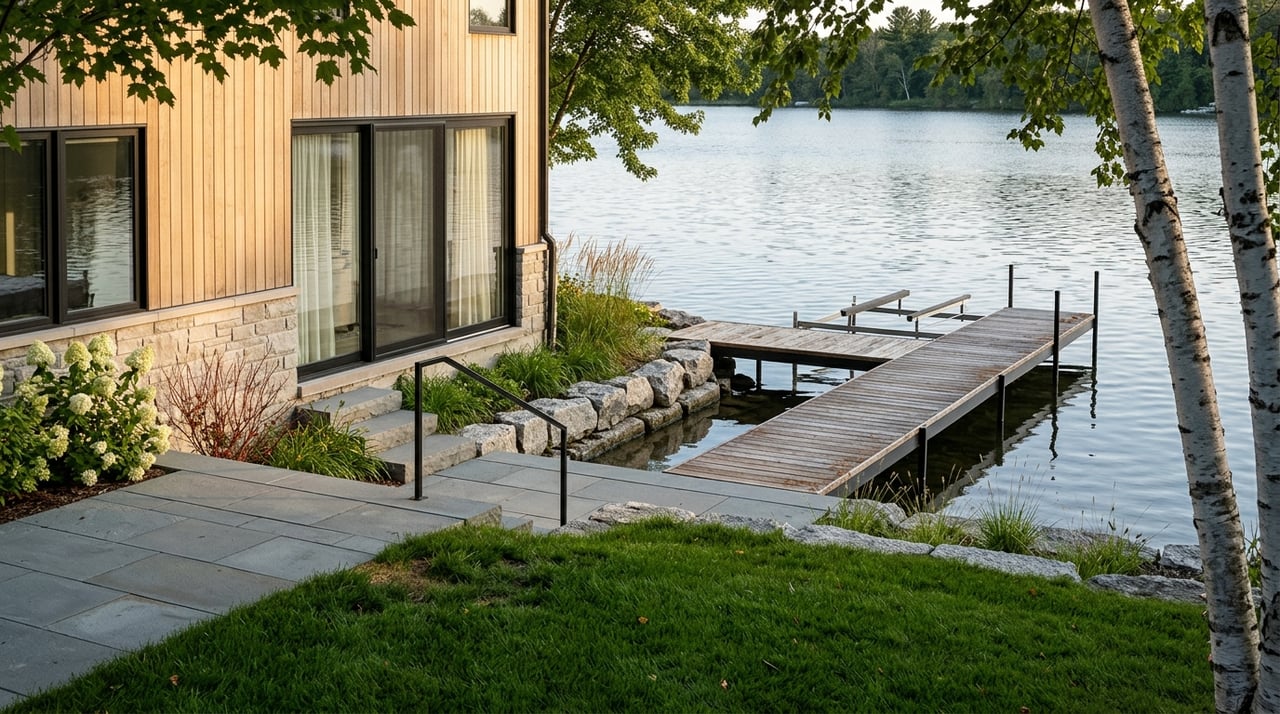
Buying a waterfront home on Lake Minnetonka can feel exciting at first glance, but the smartest decisions rarely start with the view alone. If you are comparing homes around the lake, you also need to understand how the lot functions, what rights come with it, and whether it fits the way you actually want to use the water. This guide will help you focus on the key decisions that matter most so you can buy with more clarity and fewer surprises. Let’s dive in.
Start With How Lake Minnetonka Works
Lake Minnetonka is not one uniform lakefront market. According to the Minnesota DNR’s Lake Minnetonka overview, it includes more than 14,000 acres, about 125 miles of shoreline, 42 bays or named bodies of water, 20 bridges, and 14 cities across two counties.
That matters because two waterfront homes can offer very different ownership experiences, even if their price points seem similar. One lot may offer calmer water and easier swimming, while another may have better open-water access but more exposure to traffic and wake.
Compare Waterfront Function First
When you buy on Lake Minnetonka, it helps to think about the lot before the finishes. Kitchen updates and architectural style matter, but your long-term satisfaction often depends more on whether the shoreline supports your boating, swimming, and dock needs.
The Lake Minnetonka Conservation District guidance for shoreline owners consistently points buyers toward practical questions about depth, dock use area, legal rights, and permit history. In other words, the best waterfront purchase is usually the one that works well on the water, not just the one that looks best from the street.
Bay vs Main-Lake Exposure
One of the biggest decisions is whether you want a sheltered bay setting or more open-water exposure. Bay properties can feel more protected from traffic and wake, while main-lake locations may offer broader views and easier access to more of the lake.
That said, there is usually a tradeoff. Some quieter areas may have depth limitations, while more exposed areas may deal with heavier boating activity and stronger wake conditions.
Channel-Adjoining Lots Need Extra Review
Channel-adjacent homes deserve their own category. The LMCD wake guidance notes that all channels are no-wake zones, and some bays or partial bays have additional restrictions.
This can affect how the property feels day to day. A channel location may offer convenient routing between areas of the lake, but your swimming conditions, boat handling, and overall noise or traffic pattern may be very different from a home on a sheltered bay or an open shoreline.
Check Bridge Access Before You Fall in Love
If you own, or plan to own, a larger boat, bridge clearance can be a major buying factor. The LMCD bridge clearance information shows that clearances range from 5'8" to 18'3" at normal lake level.
That means your route through the lake may be limited depending on your boat’s height and the home’s location. A property can look ideal on paper, but if your preferred boat cannot comfortably reach your basin, the fit may not be as strong as it seems.
Verify Waterfront Rights Carefully
Not every property marketed as waterfront gives you the same rights. Some homes include deeded frontage, while others may involve easements, shared riparian rights, HOA arrangements, common land, beaches, parks, or multiple-dock setups.
According to the LMCD shoreline owner resource, buyers should review easement language carefully with an attorney. This is one of the most important parts of due diligence because shared rights can affect where docks go, how many watercraft are allowed, and how the shoreline may be used.
Do Not Assume a Dock Is Automatic
A common mistake is assuming that a lakefront home automatically comes with clear dock rights. That is not always the case.
Dock rights depend on the authorized dock use area, any shared arrangements, easements, common-land rights, and property-specific variances. Before you write a strong offer, make sure you understand exactly what is allowed.
Understand Dock and Watercraft Rules
Dock use on Lake Minnetonka comes with specific rules. The LMCD dock guidance explains that docks, decks, and platforms may exceed 8 feet in length or width, but not both, and docks and watercraft must remain within the authorized dock use area.
Watercraft density also matters. LMCD states that the basic rule is one watercraft per 50 feet of continuous shoreline, though some older properties or licensed situations may be treated differently.
This is especially important if you want space for multiple boats, personal watercraft, or a setup that may have evolved over time. A home’s current dock arrangement should not be treated as proof that every use is automatically permitted.
Measure Depth and Boat Fit Early
On Lake Minnetonka, depth can vary significantly by bay and even within the same bay. LMCD also notes that sediment can accumulate where docks are unused, which can change how a site functions over time.
If you plan to keep a boat at the property, compare the boat’s draft to actual water depth at the site. A smaller lot may still work well, but only if the depth, dock geometry, and routing all support your intended use.
Plan for Low Water Conditions
Low water is not just a seasonal inconvenience. It is a real ownership and planning issue on waterfront property.
The LMCD water-level guidance explains that low water may be declared when the lake falls below 928.0 NGVD. Temporary residential dock extensions may be allowed under specific rules, and lawful extensions must be removed by November 15.
This can influence how reliable your shoreline access will feel from year to year. If you are buying for frequent boating use, low-water flexibility should be part of your evaluation.
Review Shoreline Maintenance Responsibilities
A waterfront purchase comes with ongoing shoreline responsibilities, not just purchase-day decisions. For example, Minnesota DNR shoreline buffer guidance recommends native plants extending as far into the lake as vegetation will grow and at least 25 feet above the water’s edge, or at least 50 percent of the setback.
LMCD also notes that buffers can help reduce erosion, filter pollutants, absorb nutrients, and provide privacy. In practical terms, your landscaping choices may affect maintenance, usability, and shoreline stability over time.
Shoreline Work May Need Permits
If you plan to stabilize the bank or make certain shoreline improvements, permits may be required. The Minnehaha Creek Watershed District shoreline stabilization rule says a permit is required to disturb the bank below the ordinary high water level for stabilization or amenity purposes.
That means future plans for the property should be part of your due diligence now. If a shoreline needs work, you will want to understand both the process and the cost before closing.
Factor in Boat and Dock Compliance
If a dock, lift, or raft will be moved between waterbodies, Minnesota invasive species rules matter. The DNR aquatic invasive species prevention guidance requires a 21-day dry period for docks and lifts moved from one waterbody to another, along with cleaning steps and use of AIS-trained service providers.
If the property includes a cruiser or another boat with a head, the LMCD marine toilet ordinance is also worth reviewing. It requires grinder pumps to be removed and discharge valves to be locked.
Write an Offer Around Waterfront Risk
A strong waterfront offer is about more than price. Minnesota’s home buyer guidance from the Attorney General explains that an offer should be written, state the price and financing plan, include an acceptance window, and identify the closing and possession date.
On Lake Minnetonka, the terms often matter just as much as the number. You will want to clarify what is included and what documentation the seller must provide.
Key Terms to Address
Consider confirming these items in your offer and due diligence process:
- Whether the dock, lift, buoy, or slips are included
- Whether easements, HOA rights, common land, or shared riparian rights apply
- Whether surveys, variance records, and permit history will be delivered
- Whether the seller will cure title, dock, shoreline, or septic issues before closing
- Whether your inspection and contingency periods allow enough time to verify shoreline function and boat fit
These items follow the same logic as Minnesota’s contingency guidance and the lake-specific issues identified by LMCD.
Keep Your Due Diligence in Order
When waterfront property moves quickly, the best protection is an organized review process. Minnesota guidance also highlights the value of title review, surveys, and contingencies as part of protecting your interests.
A practical order for Lake Minnetonka buyers is:
- Review title and survey information early
- Inspect the shoreline and authorized dock use area
- Confirm easements, common-land rights, or shared riparian arrangements
- Check water depth, boat draft, and bridge clearance
- Use contingency deadlines to decide whether to proceed, renegotiate, or cancel
This kind of structure fits BOOST Real Estate Group’s clarity-first approach. It helps you stay focused on the facts that affect ownership, not just the emotions of a competitive purchase.
Think Lifestyle Second, Not Last
None of this means the home itself does not matter. It absolutely does. Once the lot’s legal and physical utility checks out, then you can confidently compare architecture, condition, updates, and overall lifestyle fit.
That is often the smartest order on Lake Minnetonka. First, make sure the property works the way you want to live on the water. Then decide whether the house is the right match for your style, comfort, and long-term plans.
If you are weighing waterfront options on Lake Minnetonka, a clear strategy can save you time, money, and frustration. Tonia Kurth brings a calm, structured approach to complex purchases, helping you evaluate not just the home, but the shoreline, rights, and terms that shape the full decision.
FAQs
What should you compare first when buying a Lake Minnetonka waterfront home?
- You should compare shoreline function first, including water depth, dock use area, exposure to wake, bridge access, and legal waterfront rights.
Do Lake Minnetonka lakefront homes automatically include dock rights?
- No. Dock rights depend on the authorized dock use area, deeded frontage, easements, shared rights, common land arrangements, and any property-specific variances.
Why does bridge clearance matter for Lake Minnetonka buyers?
- Bridge clearance can limit where certain boats can travel on the lake, so a home’s location may affect whether your boat can access other basins.
Are bay properties on Lake Minnetonka easier to own than main-lake homes?
- Sometimes bay properties feel more sheltered from traffic and wake, but they can also involve tradeoffs with depth, routing, or bridge access.
Can shoreline improvements on Lake Minnetonka require permits?
- Yes. Certain shoreline stabilization or bank disturbance work can require permits, so planned improvements should be reviewed before closing.
What contingencies matter most in a Lake Minnetonka waterfront offer?
- Financing, inspection, appraisal, title review, survey review, and enough time to verify dock rights, easements, shoreline function, and included waterfront equipment are all important.